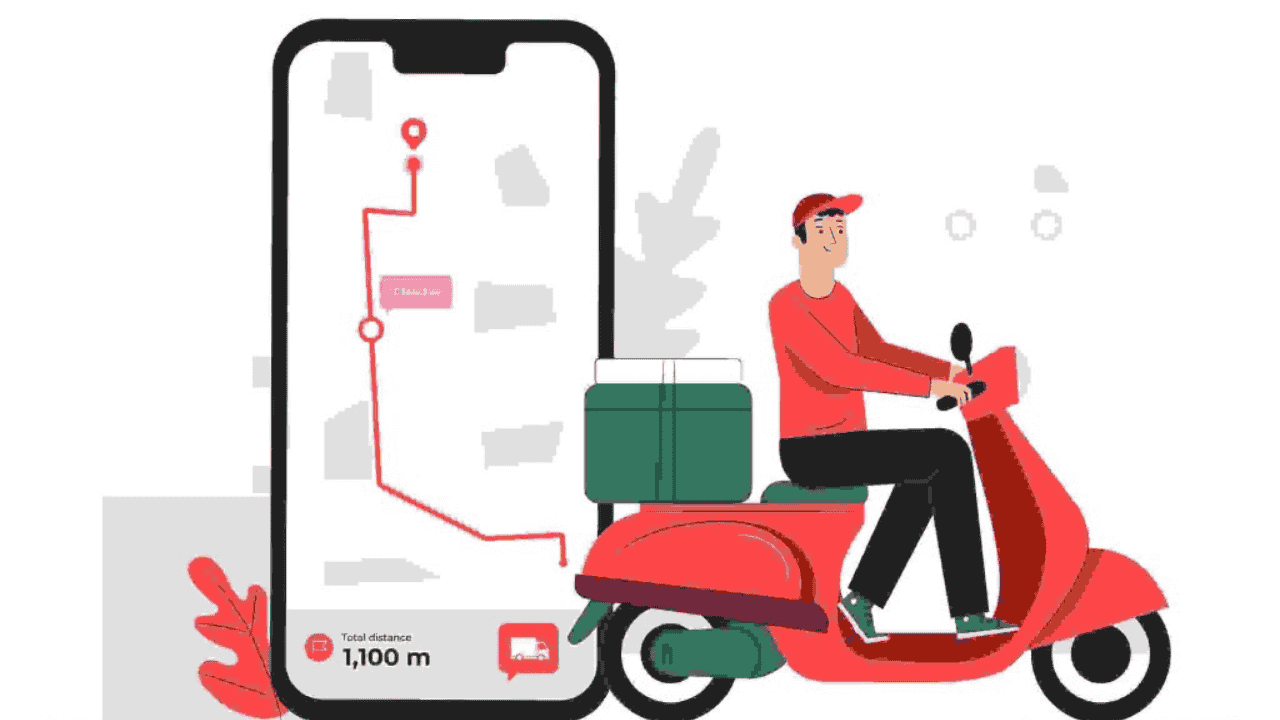

Starting a hyperlocal delivery business in a small Indian town is not about building a fancy app or raising crores in funding. It is about understanding local habits, building trust with neighbourhood shops, and delivering essentials quickly within a small radius. Small towns run on relationships, predictable buyer patterns and high convenience value. If you can combine speed, politeness and simple systems, this business can scale steadily without burning money. Below are 10 practical and detailed points that blend both theory and actionable steps.
1. Understand What Hyperlocal Delivery Really Means

Hyperlocal delivery simply means serving customers within a limited radius, usually 2 to 5 kilometres. In small towns, this model thrives because distances are short, people know their local shops well, and they prefer convenience at a fair cost.
Action Steps:
• Define your service radius clearly (2 to 5 kilometres).
• Focus on essentials like groceries, medicines, snacks and bakery items.
• Offer fast delivery windows such as 30 to 90 minutes.
• Use your local knowledge to plan smart routes.
CHECK OUT
At Boss Wallah, get instant answers from BB AI, your 24/7 business mentor trained on specialised knowledge across hundreds of business types. From regulatory questions to marketing strategies, get expert guidance whenever you need it.
2. Research the Town’s Buying Rhythm
Small towns have predictable shopping habits. Understanding what sells, at what time and where demand is highest saves time, money and effort.
Action Steps:
• Observe markets for 3 to 7 days before starting.
• Note peak buying hours like morning milk or evening snacks.
• Ask 10 to 20 shopkeepers about high-demand items.
• Identify gaps like late-night medicine delivery.
3. Start With One Niche and Expand Slowly
Specialisation builds trust and reduces mistakes. Start with one category, master it, then branch out.
Action Steps:
• Choose one niche: groceries, medicines or fresh produce.
• Run only that category for 6 to 12 weeks.
• Take customer feedback to refine quality.
• Add new categories only after stable daily orders.
ALSO READ | Human Delivery Startup TopMate India: Delivering Expertise in 10 Minutes.
4. Partner Strongly With Local Shops
Local kirana stores are the backbone of your business. Their trust and support will boost your credibility in the community.
Action Steps:
• Meet shop owners personally and explain the advantages.
• Offer fair terms like small commission or fixed fees.
• Maintain a preferred partner list for faster fulfilment.
• Use a simple agreement covering timings and returns.
5. Build a Simple and Low-Friction Ordering System
People in small towns prefer easy ordering: WhatsApp, calls or quick catalogue messages. Don’t complicate the tech.
Action Steps:
• Start with WhatsApp Business menus.
• Keep a clear product list with prices.
• Track orders using Google Sheets or a basic app.
• Send WhatsApp or SMS order confirmations.
6. Plan Operations Like a Smooth Machine
Efficient delivery depends on how well you batch orders, optimise routes and set clear pickup windows.
Action Steps:
• Cluster orders geographically.
• Fix pickup timings with partner shops.
• Use mobile maps or simple GPS.
• Review routes weekly and adjust for traffic or market days.
• Ask delivery staff to note repeat customer preferences.
7. Hire Local Delivery Staff and Train Them Well
One rider represents your entire brand. Soft behaviour, punctuality and local familiarity matter more than any fancy uniform.
Action Steps:
• Hire local youth who know the town’s shortcuts.
• Train them on polite communication and safe driving.
• Provide a simple checklist for every delivery run.
• Reward punctual deliveries and customer compliments.
8. Pricing, Subscriptions and Earning Models

Small towns are price-sensitive. Clear pricing and subscription plans help you grow a consistent monthly income.
Action Steps:
• Keep delivery fees low or free above a minimum order.
• Offer weekly or monthly family plans for essentials.
• Create bundles like breakfast packs or refill packs.
• Be transparent about extra charges for longer distances.
9. Payments, Cash Flow and Basic Compliance
Cash-on-delivery still dominates. You must balance COD, digital payments, settlement with shops and safe handling.
Action Steps:
• Accept COD plus at least one digital method.
• Clear dues with partner shops daily or weekly.
• Track cash collections separately and reconcile daily.
• Keep simple registration, hygiene rules and vehicle insurance.
ALSO READ | How to Start a Digital Micro-Agency with ₹5,000 in 2026.
10. Marketing, Metrics and Controlled Expansion
Growth in a small town comes from word-of-mouth, visible presence and slow, stable expansion without losing service quality.
Action Steps:
• Put posters near markets, bus stands and petrol pumps.
• Use WhatsApp groups and local community pages.
• Offer referral discounts to regular customers.
• Track metrics like daily orders, repeat rates, and delivery times.
• Expand only one zone or category at a time after stability.
CHECK OUT
Deploy your digital workforce of AI specialists trained for specific business tasks. Need market research for your restaurant location? Want competitor analysis for your retail store? Boss Wallah AI agents handle the routine work so you can focus on what matters most.
Conclusion
A hyperlocal delivery business succeeds in small Indian towns not because of heavy tech but because of steady service, simple systems and strong local relationships. If you focus on fast delivery, polite staff, trusted shop partnerships and clear pricing, your business will earn loyalty and grow naturally. Small steps create big trust, and big trust builds a long-term brand.